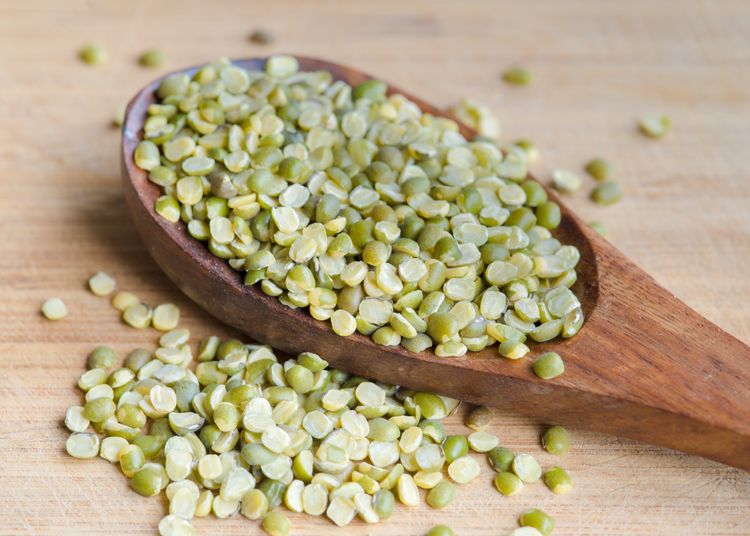
Moong dal or inexperienced gram dal is likely one of the hottest vegetarian superfoods. It’s the break up model of the mung bean or inexperienced bean. It’s wealthy in high-quality protein and different important vitamins.
The excessive protein content material contributes to the development and restore of tissues and the formation of muscle groups, bones, cartilage, blood and pores and skin.
A 100g serving of cooked moong dal can give you roughly 6g of protein. It additionally comprises some quantities of vitamin E, C and Okay.
An integral a part of the Indian food regimen; It’s extremely mild and straightforward to digest. In comparison with different dals, this yellow dal is low in carbs, making it a more healthy choice.
Moong Dal Advantages
Including this yellow dal to your every day food regimen can have quite a lot of well being advantages, because of its excessive nutrient content material. Beneath we offer you six causes to incorporate these break up legumes in your food regimen:
1. Helps shed extra pounds
Moong dal helps enhance the functioning of the hormone cholecystokinin. Consequently, it makes you’re feeling full after consuming and improves the metabolism fee. Thus, it helps management weight by avoiding overeating.
2. Improves coronary heart well being
This yellow dal is wealthy in potassium and iron. Helps scale back blood strain and protects towards muscle cramps. It additionally regulates irregular heartbeats. The sunshine and easy-to-digest nature of moong dal makes it a wonderful meals for these affected by hypertension or coronary heart illness.
3. Wealthy in vitamins
Moong dal is a nutrient-rich meals. It’s enriched with minerals similar to potassium, magnesium, iron and copper. Along with this, it additionally comprises folate, fiber and vitamin B6. Wealthy in B advanced nutritional vitamins, this yellow dal helps break down carbohydrates into glucose and produce usable power for the physique. The folic acid current in it helps preserve wholesome mind operate and helps develop DNA.
Moong dal is especially wealthy in dietary fiber. A single-cup serving can present between 40.5 and 71 p.c of the really helpful every day consumption of this nutrient. This dietary fiber content material helps scale back blood levels of cholesterol and prevents dietary issues.
Its excessive protein content material makes it an incredible supply of vitamins for vegetarians. Moong Dal sprouts include globulin and albumin as main storage proteins. They make up greater than 85% of the full amino acids present in these sprouts.
4. Helps stop diabetes
Moong dal has a low glycemic index. Consequently, it helps scale back insulin, blood glucose and fats ranges within the physique. In flip, this helps preserve blood sugar ranges below management and helps scale back the danger of diabetes.
5. Improves digestive well being
Yellow dal helps produce butyrate, a short-chain fatty acid, which helps preserve the well being of the intestinal partitions. It has anti-inflammatory properties that stop fuel accumulation. This yellow dal is straightforward to digest and is a superb meals to keep up a wholesome physique.
6. Will increase blood circulation
Moong dal is wealthy in iron and this helps within the manufacturing of pink blood cells. A superb quantity of pink blood cells is crucial to forestall anemia and enhance total blood circulation within the physique.
Dietary worth of Moong Dal
Though they’re nearly the identical, the dietary values of inexperienced and yellow moong dal range barely. Here’s a comparability of the identical:
| Vitamins | Inexperienced Moong Dal (break up with pores and skin) | Dal Moong Yellow |
| energy | 347 | 348 |
| Fats | 0.61 | 1.2 |
| Protein | 25.73 | 24.5 |
| Fiber | 18.06 | 8.2 |
| carbohydrates | 59.74 | 59.9 |
Find out how to germinate Moong bean?
Sprouted moong dal is a powerhouse of vitamin. It comprises enzymes, proteins, chlorophyll, nutritional vitamins, minerals and amino acids.
- Choose good high quality seeds to germinate.
- Clear and wash the moong beans and soak them in a single day or for 7-8 hours (be sure that the beans are submerged in water)
- The subsequent day, rinse the beans nicely and drain the water.
- The seeds needs to be swollen and plump. Some might have even sprouted slightly.
- Drain the water fully
- Moist a skinny cotton material and squeeze out extra water.
- Switch the moong beans and dangle them loosely to empty the remaining water.
- Preserve the fabric together with the moong beans in a container at room temperature.
- Cowl with a lid and depart in a single day undisturbed.
- The material needs to be damp and there needs to be no standing water within the container.
- On the third day you will note that the seeds have sprouted nicely.
- You may refrigerate the sprouts for 3-4 days to make use of later.
Moong Dal Recipes
Get pleasure from the advantages of inexperienced chickpeas and reap the benefits of its quite a few advantages. Attempt these extremely scrumptious recipes.
1. Low Calorie Moong dal Halwa Recipe
Components:
- Yellow moong dal – 1 cup
- Grated jaggery – 1/2 cup
- Low fats milk – 2 cups
- Cow butter – 2 tablespoons
- Almond slices – 1 tablespoon
- Cardamom powder – 1/2 teaspoon
Preparation:
- Soak moong dal in heat water for 10 minutes. Then drain the water from the container.
- Place the dal in a non-stick pan and roast it till it turns mild brown.
- As soon as roasted, cool it after which grind it right into a nice powder.
- In the identical pan, take ghee and warmth it. Then, fry the almond slices till they flip mild brown.
- Add the moong dal powder to the ghee and roast it for 5 extra minutes on low warmth. Wait till the dal is nicely coated with ghee.
- Slowly add low-fat milk to the milk. Stir nicely whereas including to keep away from lumps.
- Prepare dinner the combination for two minutes.
- Now, add the grated jaggery to the combination and preserve stirring till it comes collectively. It ought to take between 4 and 5 minutes.
- Garnish with cardamom powder and serve sizzling.
Dietary breakdown per serving:
- Serves 8
- Energy – 121 kcal
- Carbohydrates – 18g
- Protein – 4g
- Fats – 4 grams
- Fiber – 0.6g
2. Moong Dal Paneer Toast
Non-vegetarians can exchange the paneer on this recipe with scrambled eggs, one other wonderful supply of protein.
Components:
- Multigrain bread – 2 slices
- Low-fat paneer, crumbled – ½ cup
- Cup inexperienced moong dal, soaked – 1/2
- Chopped onion – 1/2
- Chopped tomato – 1/2
- Coriander and mint leaves – 2 tablespoons every
- Chaat masala – 1/4 tsp
- Inexperienced chili, chopped – 1
- Garam masala – 1 teaspoon
- Salt and pepper to style
- Butter – 1 teaspoon
Preparation:
- Grind the moong dal with out water to a rough paste.
- Combine all of the substances, besides the bread.
- Apply the combination to the opposite facet as if it had been a thick filling.
- Unfold some ghee on a sizzling non-stick pan.
- Place the bread and cook dinner for two minutes.
- Flip and cook dinner the filling facet till it turns mild brown.
- Serve sizzling with a dip of your selection.
Dietary breakdown per serving
- Energy – 230 kcal
- Carbohydrates- 31 g
- Protein – 15g
- Fats – 5 grams
- Fiber – 5 grams
3. Moong Dal Soup
Components
- Moong dal – 100g
- Onions – 60 g
- Oil – 1 teaspoon
- Salt – 1 teaspoon
Preparation
- Boil inexperienced gram in a pot on low warmth.
- You might want so as to add 500ml of water to cook dinner the lentils.
- Warmth the oil and add the sliced onion, mustard and chiles.
- After a few minutes we add the cooked lentils and modify the salt.
- Let it boil for a couple of minutes after which serve.
Dietary breakdown (per 42.6 g)
- Vitality 105kcal
- Protein 6.6g
- Fats 1.4 grams
- Carbohydrates 16.4 g
4. Moong Dal Cheela
Components:
- Moong dal (inexperienced gram), soaked in water for an hour – 250 g
- Inexperienced chillies – 4-5 items
- Hing (asafoetida) – ¼ teaspoon
- Haldi (turmeric powder) – 1 tsp
- Finely chopped onion – 1
- Tomato, finely chopped – 1
- Oil – 1-2 tablespoons
- salt to style
Preparation:
- Wash the soaked dal nicely and drain off the surplus water.
- Place the moong dal, inexperienced chillies, salt, haldi and hing in a grinder and grind to a clean paste. You may add slightly water if needed.
- Pour the batter into a big bowl and verify the seasoning by merely taking a little bit of batter along with your index finger and tasting it. It is crucial as a result of after getting made the chilas you won’t be able to regulate the flavour.
- Now activate the fuel and place a frying pan on the range. Pour a tablespoon of oil and let it warmth up. Now grill a chunk of bread or chapati on high after which take away it. Wipe the tawa with a kitchen material after which spray some water. Watch out and transfer away from the tawa after spraying water. Wipe it once more with the kitchen towel.
- Now once more pour a tablespoon of oil on the tawa and warmth it. This time pour two massive spoonfuls of batter on the tawa and unfold it evenly such as you do with the ‘dosa’. In case you are not an skilled in making dosa and chila, begin with a small chila by pouring simply a big spoonful of batter.
- When one facet is cooked, apply slightly oil to the floor of the chila after which fastidiously flip it over to the opposite facet. Whereas the opposite facet is cooking, add some chopped onions, inexperienced chilies, tomatoes and inexperienced cilantro to the middle of the chila and fold it in half. Prepare dinner it for a second after which take it out on a plate.
- Observe the process to make extra chilas. Serve sizzling with inexperienced coriander chutney.
Dietary Breakdown
- Vitality 71.7 kcal
- Protein 1.3g
- Fats 0.4 grams
- Carbohydrates 5.2 g
The low carbohydrate and excessive protein content material of Moong dal is the rationale behind its quite a few advantages. Get pleasure from a few of these superfood well being advantages by making an attempt a number of the scrumptious recipes talked about above.
Steadily requested questions (FAQ)
Q. Can I eat moong dal every day?
TO. Sure, you may eat it every day. It’s wealthy in important vitamins and incorporating it into your every day food regimen will enable you keep match and wholesome. Nevertheless, it’s ideally suited in case you eat quite a lot of meals every day to acquire optimum well being advantages and keep away from boredom.
Q. Is moong dal good for mind well being?
TO. The magnesium current in inexperienced dal has been proven to enhance nerve functioning and mind well being.
Q. Which is the healthiest moong dal, sprouted or cooked?
TO. Cooking moong dal shouldn’t be really helpful as a result of it reduces the dietary worth of the dal, far more than when it sprouts. Nevertheless, consuming cooked dal prevents the fuel and bloating that may be seen when consuming the sprouted selection. Each have their advantages.
Q. Does moong dal trigger fuel?
TO. Generally lentils and beans could cause fuel. Due to this fact, it’s all the time advisable to soak or germinate lentils earlier than consuming them to keep away from digestive issues.